
Guide
How Much Does It Cost to Open a Restaurant in India?
By Anthony Philip · 1 October 2026 · 8 min read
In short
In metro India a cafe typically needs 40 lakh to 1 crore, a QSR 30 lakh to 80 lakh, a full-service restaurant 1.5 to 4 crore and a microbrewery 4 to 8 crore, excluding property purchase. Fit-out and kitchen equipment take about half of the budget, and you should hold three to six months of operating costs as working capital before opening.
The honest answer to the cost question is that it depends on format, city, size and how much of the fit-out you inherit from the previous tenant. But first-time owners need a range to plan around, so here is what we see across projects in Delhi NCR, Pune and Bengaluru, and where the money actually goes. Basis: these are typical ranges from Table & Fork project budgets on leased metro sites, excluding property purchase and GST. They are estimates for planning, not quotes, and your site will differ.
How much does it cost to open a restaurant in India?
A 1,500 to 2,500 square foot cafe typically needs 40 lakh to 1 crore. A quick-service restaurant needs 30 lakh to 80 lakh. A 3,000 to 5,000 square foot full-service restaurant with a bar needs 1.5 to 4 crore. A microbrewery with a taproom needs 4 to 8 crore because of brewing equipment and excise. These ranges exclude buying property and assume a leased site in a metro city.
Typical capital by format
| Format | Typical size | Typical capital (metro India) | Time to open |
|---|---|---|---|
| Cafe or bakery | 1,500 to 2,500 sq ft | 40 lakh to 1 crore | 3 to 5 months |
| QSR or cloud kitchen | 600 to 1,500 sq ft | 30 lakh to 80 lakh | 3 to 4 months |
| Full-service restaurant | 3,000 to 5,000 sq ft | 1.5 to 4 crore | 6 to 9 months |
| Bar or lounge | 2,500 to 4,000 sq ft | 2 to 5 crore | 6 to 9 months |
| Microbrewery and taproom | 5,000 to 8,000 sq ft | 4 to 8 crore | 12 to 18 months |
Where the money goes
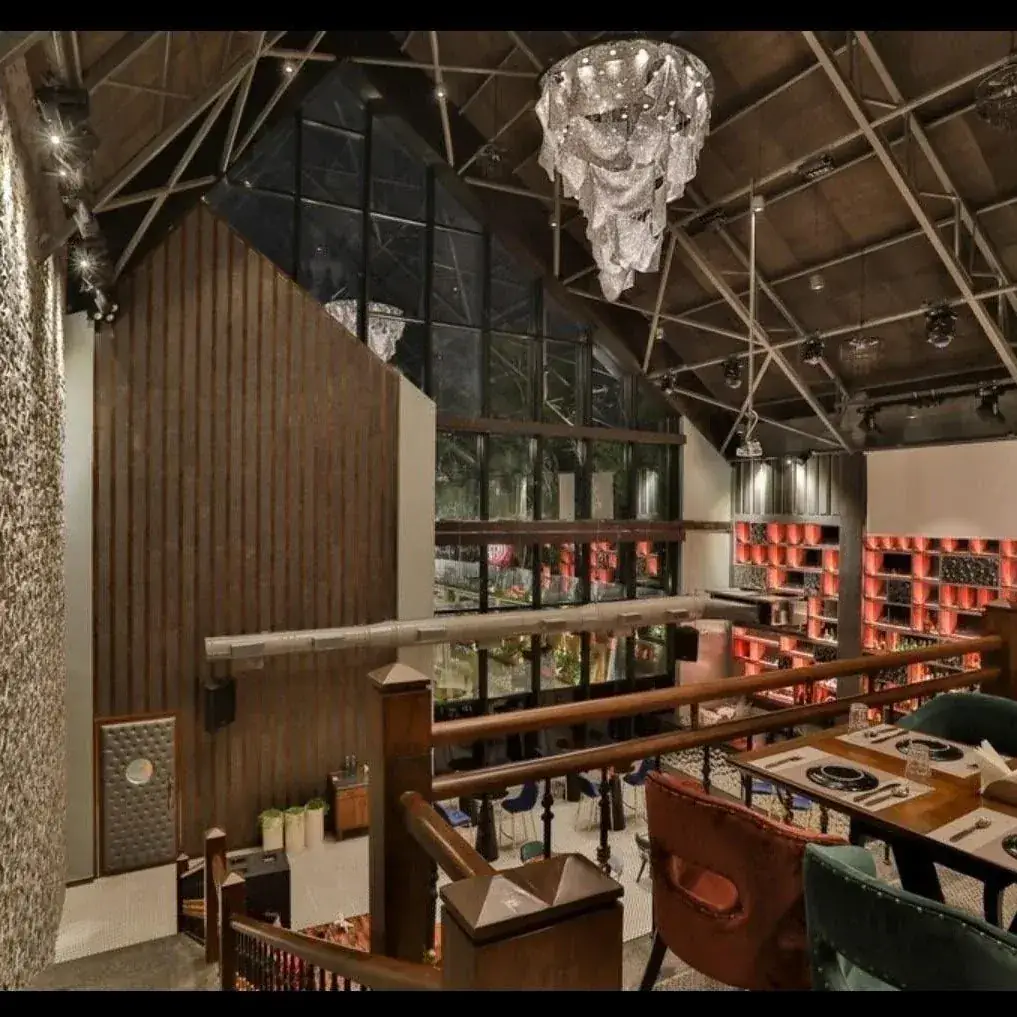
On a typical full-service project the budget splits roughly like this. Interior fit-out, furniture and lighting take 30 to 40 percent. Kitchen equipment, exhaust, refrigeration and gas take 20 to 25 percent. Security deposit and advance rent take 10 to 15 percent, because landlords in prime locations ask for six to twelve months of deposit. Licensing, professional fees and design take 5 to 10 percent. Crockery, cutlery, glassware, smallwares and opening inventory take 5 percent. The rest is pre-opening salaries, training, marketing and a working capital reserve.
- Fit-out and furniture: 30 to 40 percent
- Kitchen equipment and MEP: 20 to 25 percent
- Deposit and advance rent: 10 to 15 percent
- Licences, design and professional fees: 5 to 10 percent
- Smallwares and opening inventory: around 5 percent
- Pre-opening salaries, training, marketing and working capital: the balance
What costs do first-time owners forget?
Working capital is the one that closes restaurants. Hold three to six months of rent, salaries and purchases in the bank on opening day, because most venues take that long to reach a stable sales mix. Other items that routinely get missed are the electrical load upgrade and transformer charges, the exhaust and fresh-air system for a kitchen, fire-fighting equipment required for the fire NOC, the liquor licence deposit in states that charge one, and the cost of menu photography and launch marketing.
How can you reduce the capital needed?
Take a site with usable kitchen infrastructure from the previous tenant, keep the menu short so the equipment list is short, buy reconditioned refrigeration from a reputable dealer, phase the bar programme after the kitchen is stable, and resist over-designing the front of house before the concept has proved itself. A feasibility study before you sign the lease is the cheapest money you will spend.
What return should you expect?
A well-run full-service restaurant in a metro city typically targets 15 to 20 percent EBITDA at maturity, with food cost between 28 and 35 percent of sales and rent under 15 percent. Payback on capital in two to three years is a healthy outcome. If the model only works at 10 percent rent and 25 percent food cost, the concept needs rework before the fit-out starts.
Want a number for your site rather than a range? Table & Fork prices a concept and feasibility study as a fixed piece of work. It gives you the capex, break-even and target ticket size for the specific location before you commit.

Written by
Anthony Philip S.
Operations and Concept, Table & Fork
A WSET Level 3 wine connoisseur, mixologist and seasoned hospitality professional. Anthony has worked for over a decade and a half with renowned brands including Diva, Olive Bar and Kitchen, Town Hall, Amour, Jimmy Boi, Gaylord Mumbai and Ghetto. His eye for detail and his strategy for restaurant and hotel F&B service operations have been instrumental in our clients' success.
Meet the team